Pest Control: Powerful Techniques to Secure Your Dwelling and Company
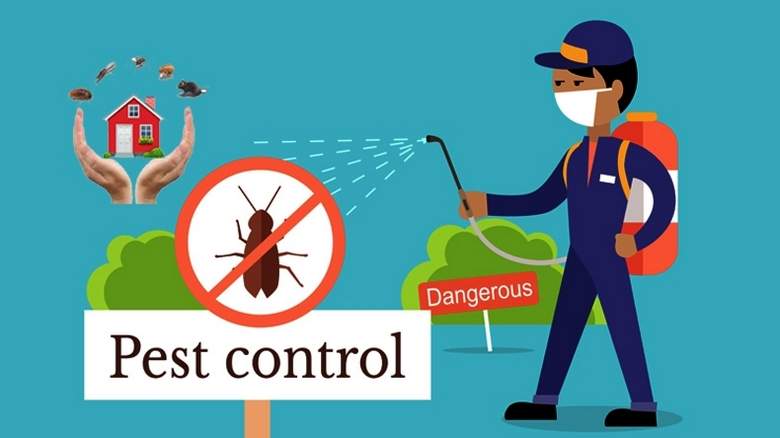
Pest Control: Results-Oriented Approaches to Defend Your Property and Establishment
Overview to Pest Control
Pest Control pertains to the handling or coordination of critters considered as pests – living things that unfavorably impact human endeavors or areas. In New Jersey, where varied environments connect with urban-adjacent and city growth, potent Pest Control is not simply a nonessential but a essential for preserving sanitary dwelling and occupational settings. From the far-reaching residential areas of Monmouth County to the unified districts of Matawan, pest issues can plague everybody, regardless of how spotless or well-maintained their real estate may be.
The necessity of establishing effective Pest Control approaches cannot be overemphasized. For occupants, pests can impair foundational stability, pollute food supplies, and constitute major health hazards. Organizations encounter these same difficulties, with the supplementary concern of prestige impairment and possible forfeiture of customers if problems are found. Common pests in New Jersey include vermin like rats and mice, multiple arthropods such as ants, cockroaches, and bed bugs, and the exceptionally ruinous termites that can noiselessly weaken a building's base.
The Reason Pest Control Is Vital
Health Risks of Pest Control Chemicals
Countless pests bear and spread diseases that can afflict people and pets. Small mammals are known vectors of hantavirus, salmonella, and leptospirosis. Cockroaches can cause asthma bouts and allergic reactions, notably in children. Ticks, abundant in New Jersey's wooded zones, are notorious for transmitting Lyme disease, while mosquitoes can convey West Nile virus and Eastern Equine Encephalitis. Professional Pest Control enables diminish these health dangers by destroying the root of these conceivable disease transmitters.
House Damage in Pest Control
The foundational damage created by pests can be vast and pricey. Termites by themselves bring about over $5 billion in house harm yearly within the United States, with New Jersey homes being notably open due to the state's weather. Small mammals can chew through power circuitry, generating fire threats, while their constant nibbling can harm thermal barriers, pipes, and timber framework elements. Even ostensibly benign ants can undermine wood structures if neglected untreated, particularly carpenter ants which are usual in Monmouth County.
Financial Ramifications of Pest Control Services
Disregarding pest invasions can lead to major economic outcomes. What possibly start as a insignificant problem calling for basic management can fast grow into a significant predicament necessitating wide-ranging correction. For companies, specifically those in the food industry or tourism industries, pest outbreaks can cause failed health assessments, short-term cessations, and persistent harm to reputation and shopper reliance. Financing in routine Pest Control is not only about prompt comfort—it's a long-term budgetary security.
Pest Control: Typical Home and Organization Pests
Small Mammals (Rats and Mice)
When it comes to recognizing rodent outbreaks in your New Jersey home, carefulness is essential. You perhaps perceive excrement near food provisions, in drawers, or under sinks. Chew marks on food wrapping, lumber, and power cords are revealing symptoms of their occupancy. At after dark, you may distinguish scraping disturbances in dividers, ceilings, or under floors as these evening organisms turn lively. If you find habitats produced from shredded stationery, fibers, or dehydrated plant stuff, that's a evident signal rodents have made themselves settled. Greasy rub marks along baseboards and dividers materialize as rodents apply the same paths continually, while your pets may reveal atypical behavior such as yelping or digging at places underneath equipment or pieces where rodents lurk.
Small mammals in New Jersey homes and businesses form several hazards exceeding just nuisance. They can adulterate food and making counters with bacteria present in their urination and excrement. Their continuous compulsion to nibble can impair goods, remarkably cords, which generates fire hazards. In Matawan and encircling areas, the Norway rat and house mouse are notably complicated, growing well in both built-up and peripheral areas. Successful Pest Control approaches are necessary to manage these detrimental infiltrators.
Bugs (Ants, Cockroaches, Bed Bugs)
Insect outbreaks manifest themselves in multiple means relative to the type. Ant difficulties develop into apparent when you notice apparent ant paths leading to food sources, or when you discover miniature collections of dirt or wood splinters formed by carpenter ants. Cockroach incursions often display themselves through dark waste looking like coffee grounds or black pepper, a unique moldy fragrance that saturates overrun regions, and the presence of egg coverings in obscured corners. Bed bug predicaments emerge as rust-colored speckles on mattresses and fixtures, shed skins near resting locations, small blood spots on sheets, and prickly red protuberances on skin typically organized in a row or congregation.
Creepy crawlies symbolize the most assorted group of pests in New Jersey. Cockroaches can set off asthma and sensitivities while spreading multiple germs. Bed bugs, while not disease vectors, generate marked irritation, sleep disturbance, and psychological torment. Special ant species, like carpenter ants prevalent in Monmouth County's wooded spots, can create skeletal injury equal to termites through time. Professional Pest Control providers can recognize certain insect varieties and enact precise handling tactics that deal with the specific practices and vulnerabilities of each pest.
Termites
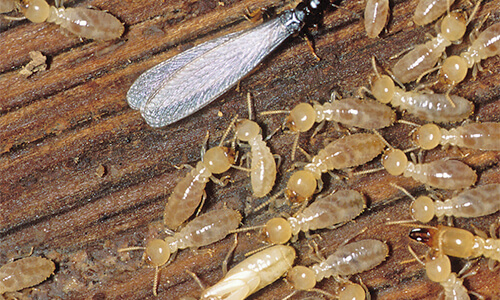
Finding termite existence initially needs understanding the subtle indicators of their manifestation. You might spot discarded wings near portals and doors after swarmers have found a mate and formed a new settlement. Mud tubes on outside surfaces, wooden beams, or in crawl spaces function as secured highways for these destructive bugs. Wood that sounds cavernous when patted reveals termites have been dining from internally. Doors and windows that unexpectedly attach may show deforming from termite injury, while fractured or rising paint reminiscent of water injury often conceals termite operation underneath. Discovering frass—termite dung looking like tiny wood-colored bits—provides another proof of their undesirable presence.
Termites present perhaps the most noteworthy foundational peril amidst all prevalent pests. In New Jersey, the Eastern subterranean termite is pervasive and notably damaging. These arthropods can stay unseen for durations while making considerable damage to timber framework constituents. Homes in Matawan and all through Monmouth County, especially older properties, are exposed to termite infestations. The mean cost of term pest control.
Pest Control Safety Aspects
Secure Usage of Products and Products in Pest Control
As chemicals become required in your pest control approach, focusing on protection demands consideration to multiple critical practices that shield people, animals, and the surroundings. Consistently read and adhere to label instructions exactly, as these binding directions demonstrate thorough testing and official evaluation designed to limit hazards. Use the minimum efficient amount of pesticide to accomplish control while decreasing excess product introduction into your living space. Employ products only in areas specified on the label, avoiding improper treatments that may create unexpected risks or decrease efficacy. Use appropriate safeguarding apparatus as indicated by product manufacturers to prevent individual interaction during application. House chemicals in their original packages with directions intact to maintain access to security details and avoid confusion. Keep thorough logs of all uses, recording chemicals utilized, concentration levels, locations serviced, and schedules of treatment for subsequent consultation. Ensure appropriate curing and ventilation before reentering serviced locations, especially significant in New Jersey's weather where dampness can alter setting times. Examine safer choices when effective, as advances in pest control have produced many lower-toxicity options that keep effectiveness while lowering possible risks.
Safeguarding Pets and Kids While performing Pest Control Services
Specific steps become necessary when implementing pest control steps in households with sensitive household members. Remove companions during treatment and until spaces are set to eliminate immediate interaction with moist chemicals or fumes that could cause harmful effects. Hide or move pet food, water dishes, and playthings before application to eliminate pollution that could lead to accidental eating. Store children's items apart from service zones, particularly things that small children might put in their mouths. Disinfect and disinfect meal making surfaces after treatment, even if they were not specifically serviced, to get rid of any remains that might have gathered during service. Ensure children apart from treated areas for the recommended time, lengthening this duration for crawling toddlers who have more close contact with ground and bottom spaces. Consider pet-safe and child-safe substance choices when available, as many recent formulations target specific pest anatomy while limiting animal toxicity. Most significantly, inform expert applicators about the occurrence of animals, children, or expecting household occupants before they formulate treatment approaches, allowing them to adjust methods and product options accordingly.
Governmental Guidelines and Conformity with Pest Control
Pest control in New Jersey functions within a legal structure intended to safeguard community wellness and the surroundings while guaranteeing effective pest elimination. The New Jersey Department of Environmental Protection supervises pest elimination procedures, mandating expert pest control companies to meet defined criteria. Firms must use authorized specialists who have completed state examinations showing expertise in pest biology, application methods, and protection procedures. These organizations must keep proper insurance protection shielding both their technicians and their customers from possible harm or harm connected with pest management operations. Stringent rules govern chemical warehousing, transportation, and removal to prevent natural contamination and unpermitted entry. Specialists must give Safety Data Sheets upon inquiry, recording the features and hazards of substances employed in applications. Warning guidelines apply for specific applications, especially in multiple-unit residences or industrial spaces with multiple occupants. Complete treatment notes must be maintained, establishing an audit path of pest elimination operations. Additionally, only products licensed for application in New Jersey may be lawfully used, making certain that regional environmental situations and habitats have been considered in the licensing procedure. For business buildings in Matawan and throughout Monmouth County, extra guidelines may apply based on the field, especially for food business, health, and childcare facilities where pest management connects with other community health considerations.
Green Pest Control Solutions
Unified Pest Control (IPM) Method
Combined Pest Management constitutes the top standard in contemporary pest control, emphasizing on lasting prevention through a combination of strategies that minimize ecological effect while optimizing efficiency. The IPM process commences with complete evaluation and surveillance to determine pest activity exactly, creating starting information about varieties existing and quantity levels. This results in precise classification of pest kinds, confirming elimination actions aim at certain patterns and weaknesses rather than applying generic procedures. Professionals determine boundary levels that necessitate treatment, recognizing that the simple existence of a limited organisms does not automatically need treatment if populations persist less than destructive amounts. When action turns essential, IPM implements various control strategies in cooperation, commonly commencing with safest strategies and increasing only when necessary. During the procedure, professionals review effectiveness and modify strategies as required, building a dynamic system adaptive to evolving situations. Most importantly, IPM focuses on avoidance over treatment, tackling building and surrounding elements that encourage pest populations rather than simply removing present creatures. Many pest control organizations in New Jersey provide IPM-based treatments that match with the area's push toward minimal-impact pest management approaches, particularly in delicate settings like schools, healthcare establishments, and nutrition manufacturing facilities.
Natural Management Approaches
Effective pest control often integrates chemical-free approaches that can resolve or lower pest issues without adding substances into the environment. Tangible blockades such as screens, entrance sweeps, and sealing eliminate pest penetration completely, dealing with the concern at its origin. Physical controls like traps and prevention systems remove present organisms while preventing additional entries. Living methods involving beneficial insects and organisms insert living opponents that aim at particular insects while maintaining beneficial organisms undamaged. Management techniques alter the conditions to deter pests, such as changing watering timing to decrease moisture that draws certain pests. Area modification reduces hiding places and nutrition supplies, making locations decreased attractive to problematic guests. For certain organisms like bedbugs, thermal applications provide exceptionally successful control without toxic remains by boosting heat beyond the temperature killing point for all developmental phases of the specific pest. Likewise, refrigeration techniques for stored product creatures like grain beetles or pantry pests can eliminate invasions in nutritional products without toxic residue. These strategies demonstrate notably important in New Jersey's diverse environments, where proximity to aquatic systems, safeguarded natural areas, and concentrated population zones produces many situations where chemical limitation becomes wanted or essential.
Green Pest Control Control Approaches
The pest control sector maintains to progress toward more eco-conscious methods that retain performance while lowering natural footprint. Natural insecticides obtained from botanical essences like pyrethrum, neem, and concentrated essences provide focused control with limited lasting power in the environment. Microbial agents having microorganisms, fungi, or organisms that attack particular pest species supply specificity that standard wide-range chemicals cannot equal. Growth modifiers that stop pest mating by blocking with developmental processes offer sustained population control without instant poisonous influences on adult organisms. Scent traps that watch or disrupt pest reproduction assist establish when intervention becomes essential and can block breeding in certain species. The field continuously implements safer products with limited ecological effect, transitioning apart from conventional products with more extensive impacts on non-target organisms. Accurate treatment methods that decrease complete substance usage apply applications precisely where required rather than distributing products over extensive spaces. Eco-friendly accreditation schemes for pest treatment organizations determine requirements for naturally preferable care and provide users with distinct labeling of services devoted to eco-conscious approaches. In naturally delicate zones of New Jersey, containing areas of Monmouth County with proximity to marine sources, these environmentally-friendly approaches are specifically important for protecting both people's wellness and ecological systems while nonetheless offering successful pest elimination.
Finding a Local Pest Control Service Provider in New Jersey
Capitol Exterminating System
272 NJ-34
Matawan, NJ 07747
(732) 441-1900
Frequently Posed Questions (FAQs) about Pest Control
How commonly should pest control be performed?
For many New Jersey houses, seasonal pest control delivers appropriate safeguarding against recurring pest activity. This routine coordinates with the local distinct seasons, each producing separate pest challenges that call for protective focus. Spring procedures commonly deal with developing ant groups and overwintered organisms getting lively. Summer services center on mosquitoes, ticks, and different aerial bugs that flourish in heated weather. Autumn procedures arrange homes for small mammals and sheltering creatures searching for harborage as climate decline. Cold season treatments preserve security against internal insects while dealing with small mammal activity at its maximum. However, this schedule may increase for homes with certain risk aspects or continuing troubles that demand greater thorough management. Residences near natural locations in Monmouth County may advantage from supplementary tick and mosquito treatments during high times. Homes with background of individual pest problems commonly demand focused subsequent applications beyond the regular four times yearly timing. Business properties, especially dining service businesses in zones like Matawan, frequently call for regular treatment to keep adherence with wellness rules and stop infestations that could harm standing and business processes.
Is qualified pest control protected for pets?
When executed appropriately, specialist pest control can be secure for companions through deliberate chemical selection and application techniques that reduce contact. Today's specific application methods and lower-risk substances have markedly improved security characteristics versus traditional pest treatment techniques. Contemporary services frequently apply compounds particularly created to have minimal harm to mammals while staying effective against designated organisms with alternative physiologies. Qualified technicians receive instruction in usage approaches that put products in zones pets are unable to reach, such as wall spaces, fissures and gaps, or beneath machines. Nonetheless, pets should be relocated while performing application and until all services have dried totally, following individual waiting periods proposed by the substance company and technician. Aquarium aquariums should be enclosed and ventilation equipment shut down throughout treatment to stop infection from suspended debris. Pet items containing beds, objects, and eating equipment should be removed or shielded while performing procedure. Discuss any worries with your pest control provider, who can recommend proper pause intervals depending on the certain applications used and change methods for homes with specifically susceptible pets like avians or lizards and snakes that may have distinct bodily vulnerabilities than felines and dogs.
What are the indicators of a significant pest infestation?
Beyond apparent creatures directly, numerous alert indicators reveal possibly severe infestations demanding prompt pest control intervention. Strange odors regularly arise with large invasions – damp, fatty smells may reveal small mammals, while sweet, almond-like aromas sometimes follow German insect populations. Mysterious building damage like falling boards, blistering finish, or falling apart lumber may reveal wood-destroying insect activity or carpenter ant problems damaging support parts. Peculiar sounds within barriers or upper spaces, especially at nighttime, frequently reveal small mammal movement as these nocturnal creatures turn lively in concealed places. Abundant particles resembling fine wood particles around wood pieces may truly be excrement or excrement from wood-destroying pests. Some families encounter puzzling medical concerns like lung issues or scratching that disappear when gone from property, potentially revealing creature invasions affecting inside environmental purity. In New Jersey residences, focused focus should be paid to lower level and lower spaces where water concerns can maintain pest colonies, specifically in mature residences throughout Monmouth County where foundation cracks and deteriorating material offer various entry spots. Discovering many deceased creatures of the similar species indicates a greater population close, while residue stains beside baseboards suggest confirmed mouse and rat passages with frequent movement.
Can I stop creatures without pest control products?
Yes, many insects can be stopped through appropriate hygiene, exclusion, and habitat change without resorting to pesticide applications. The basis of non-toxic pest control initiates with thorough prevention procedures – blocking fissures, holes, and holes that enable organisms to access homes in the beginning position. Putting in entrance strips, repairing torn mesh, and blocking utility access points eliminates typical invasion points. Removing food sources pest control through appropriate food keeping in closed containers, fast removal of spills and crumbs, and routine refuse elimination substantially reduces attractants that bring pests indoors. Reducing water by fixing seeping water lines, upgrading air circulation in damp locations, and dealing with runoff troubles removes the liquid resources multiple creatures demand. Maintaining a space area surrounding buildings by trimming plants, eliminating organic litter, and keeping fuel lifted and separate from buildings lowers harborage spaces and entry points. Employing physical obstacles like metal wire or iron material to stop wider spaces provides enduring exclusion for small mammals and large mice. Routine cleaning that contains vacuuming fissures and openings eliminates pest young and nutrition waste that support pest reproduction. For current problems, nonetheless, some kind of treatment material may be necessary to fix confirmed concerns, though various lower-risk options are accessible featuring natural silica earth, boric substance, and bug-eliminating soaps that provide reduced threat relative to standard chemicals.
What should I look forward to during specialist pest control procedure?
A expert pest control service generally initiates with a detailed inspection to pinpoint pest kinds, entry places, and encouraging environments adding to the issue. The technician should take care checking both internal and exterior locations, devoting focused attention to kitchens, bathing facilities, cellars, and border bases where pest movement often concentrates. Upon completing this assessment, the professional should explain their results in thoroughness and advise a service plan customized to your individual situation, addressing both the designated creatures and the techniques proposed for managing them. You may be given setup directions before application, likely containing moving belongings, removing specific areas, or protecting companions. During the treatment, the expert will employ proper chemicals to focused spaces based on the pest species found, emphasizing on gaps, spaces, and pest hiding locations rather than distributing procedures over entire areas. They may install monitoring devices like bug devices or attractant systems that help monitor development and supply persistent protection. After finishing treatments, a professional should explain any post-treatment care instructions such as airflow requirements, occupancy durations, or surfaces to wash. Before exiting, they should plan follow-up treatments if necessary for specifically difficult creatures like sleeping pests or German roaches that generally demand multiple services for total destruction. During this method, experts should encourage questions and provide obvious information about the products and methods employed, displaying their preparation and dedication to both efficiency and wellness.
Successful pest control is an crucial component of maintaining healthy, harmless living and working settings in New Jersey. From the damp warm seasons that bring mosquitos and ticks to the frigid months when small mammals pursue harborage indoors, pest problems continue a continuous issue for inhabitants and organizations in Monmouth County and Matawan. By knowing usual organisms, implementing protective steps, and recognizing when to obtain qualified support, property operators can defend their assets and the wellness of tenants.
Implementing a proactive strategy to pest control is invariably greater productive and cost-effective than responding to developed infestations. Consistent inspections, suitable preservation, and addressing tiny issues before they escalate can eliminate the substantial charges and disturbances linked with substantial pest problems. When qualified intervention becomes needed, deciding on a reputable, certified pest control provider who employs comprehensive pest control principles delivers productive outcomes with small natural effect.